Procedures
Gallbladder Surgery
Gallbladder conditions are common and can interfere with your day-to-day life. Mr Stein specialises in laparoscopic gallbladder removal, also known as cholecystectomy, for recurrent or severe disease.
When is gallbladder removal recommended?
Gallbladder removal may be recommended when disease is recurrent or causes complications. Assessment typically includes an examination, blood tests and imaging to confirm the diagnosis and determine the treatment pathway.
Common conditions and symptoms that may indicate surgery include:
- Gallstones identified on imaging, also known as cholelithiasis.
- Biliary colic, often causing sudden or recurrent pain in the upper right or middle abdomen, particularly after eating.
- Acute or recurrent inflammation of the gallbladder, known as cholecystitis.
- Choledocholithiasis, or the movement of gallstones from the gallbladder into the bile duct, which can lead to a blockage.
- Symptoms such as nausea, bloating or indigestion where gallbladder disease has been identified as the underlying cause.
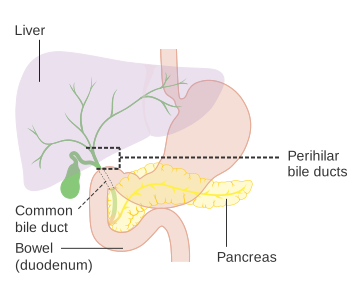
Laparoscopic Cholecystectomy
If you have been diagnosed with a gallbladder condition or referred for assessment, you may require a cholecystectomy, which is a common procedure performed under general anaesthetic.
Through several small incisions, Mr Stein will:
- Carefully separate the gallbladder from the liver and surrounding tissues.
- Identify and divide the cystic duct and blood supply to the gallbladder.
- Carefully remove the gallbladder through one of the small incisions.
- Perform an intraoperative cholangiogram to assess the bile ducts and identify any stones, as required.
- Remove any stones identified within the bile ducts, as required.
- Seal the small incisions with stitches, surgical tape, or glue.
Does gallbladder surgery have risks?
As with any surgical procedure, gallbladder surgery has associated risks and complications. Mr Stein will discuss this with you in detail before the procedure.
- Pain, bruising, infection or minor bleeding at the incision sites.
- Intraoperative bile duct injury or leak.
- Gallstones retained within the bile ducts.
- Conversion from laparoscopic to open surgery.
What does the recovery look like?
Recovery following laparoscopic cholecystectomy varies depending on the nature of the surgery and your overall health. Most patients are able to return home the following day. Minor abdominal discomfort, bloating and fatigue are common during the first few days and generally improve as you recover. Many patients quickly return to light daily activities as tolerated, gradually increasing their activity as recovery progresses.
Are there benefits of laparoscopic surgery?
The smaller incisions used in laparoscopic surgery can offer several benefits, including:
- Less post-operative pain, bruising and scarring.
- Shorter hospital stays and a faster recovery.
- Reduced risk of surgical site infection.
Despite advances in laparoscopic surgery, open surgery remains an important approach and may be the safest option depending on the complexity of the condition, previous abdominal surgery and a patient’s overall health.